How to Use Building Blocks to Teach Colors, Shapes, and Numbers?
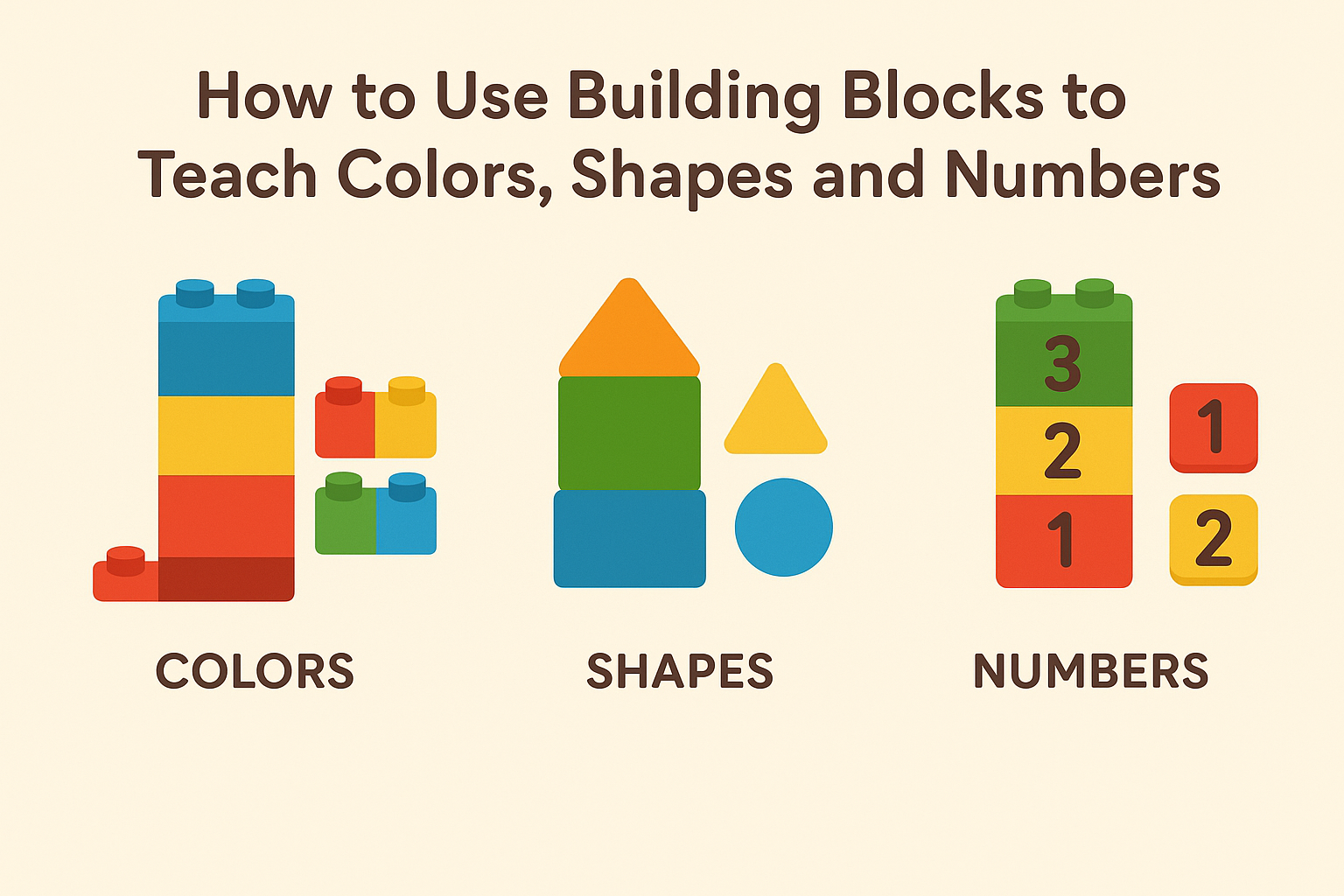
Building blocks are more than just toys—they are powerful tools for learning. Parents and educators around the world are discovering the benefits of building blocks for kids in developing essential skills such as color recognition, shape identification, and early numeracy. By using these simple, hands-on tools, children can learn while playing, making education a fun and interactive experience.
Why Choose Building Blocks for Kids?
Building blocks for kids are ideal educational toys because they combine tactile, visual, and cognitive learning. Unlike passive toys, building blocks encourage active participation, problem-solving, and creativity. Wooden building blocks, in particular, are safe, durable, and eco-friendly, making them a popular choice for parents who want long-lasting toys. You can even find wooden building blocks for kids online that come in a variety of colors, shapes, and sizes, perfect for at-home learning.
Teaching Colors with Building Blocks
Colors are often one of the first concepts children learn. Using building blocks to teach colors is simple:
- Sort by Color: Ask your child to group blocks by color. This reinforces recognition and categorization skills.
- Color Matching Games: Encourage matching blocks of the same color to objects around the room or in picture cards.
- Create Color Patterns: Help children build towers or patterns following a sequence of colors. This not only teaches color recognition but also sequencing skills.
Tip: Using wooden building blocks for children adds a tactile experience that enhances sensory learning.
Teaching Shapes with Building Blocks
Building blocks come in various shapes—squares, rectangles, triangles, and circles—which makes them perfect for teaching geometry basics. Here’s how:
- Shape Sorting: Have children separate blocks based on their shapes.
- Shape Identification: Ask them to name each shape as they stack or build with it.
- Building Challenges: Encourage your child to create structures using only certain shapes. This strengthens spatial awareness and problem-solving skills.
Teaching Numbers with Building Blocks
Early numeracy skills are critical for school readiness. Building blocks make learning numbers fun and interactive:
- Counting Blocks: Count each block aloud as your child stacks them.
- Number Matching: Label blocks with numbers and ask children to match them with the correct quantity of smaller blocks.
- Simple Math Games: Use blocks to introduce addition and subtraction in a visual, hands-on way.
Advantages of Using Wooden Building Blocks
Choosing wooden building blocks for kids provides multiple benefits:
- Durable and Safe: Less likely to break, providing long-term use.
- Eco-Friendly: Made from natural materials.
- Educational: Promotes hands-on learning and sensory development.
Many parents prefer purchasing wooden building blocks for kids online for convenience and a wider selection of shapes, sizes, and colors suitable for all ages.
Conclusion
Building blocks for kids are more than toys—they are foundational tools for teaching colors, shapes, and numbers. By incorporating sorting, matching, and counting activities into playtime, children develop cognitive, sensory, and motor skills while having fun. Investing in high-quality wooden building blocks for children ensures safety, durability, and a versatile learning experience that grows with your child.
